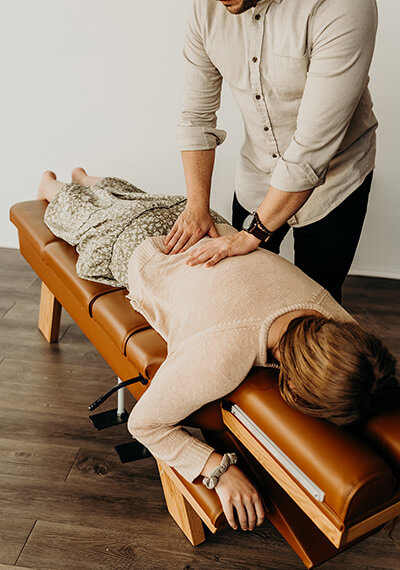
Here are the key takeaways about how chiropractic care can help with herniated disc pain:
-
A herniated disc occurs when the soft inner material of a spinal disc pushes through its tough outer layer, often causing pain.
-
Common symptoms include pain, numbness, tingling, and weakness, which can be felt in the back, neck, or extremities.
-
Causes range from age-related wear and tear to sudden injuries from heavy lifting or accidents.
-
At MŪV Chiropractic, we use non-invasive techniques like spinal adjustments, flexion-distraction, and massage therapy to relieve pressure and pain.
-
Your first visit includes a thorough assessment to create a personalized treatment plan for your specific condition.
-
Chiropractic care is a safe and effective way to manage herniated disc symptoms and improve your quality of life.
Introduction
Living with the pain of a herniated disc can be debilitating, affecting everything you do. If you’re searching for lasting pain relief, you’ve come to the right place. At MŪV Chiropractic in Boulder, CO, we understand the challenges you face and are here to help. Our approach to chiropractic care focuses on addressing the root cause of your herniated disc pain, not just masking the symptoms. We are committed to helping you find effective, non-invasive solutions to get you back to living a full and active life.
Understanding Herniated Discs and Their Impact
A herniated disc can cause significant discomfort and disrupt your daily routine. This condition occurs within your spinal column and can lead to a variety of painful symptoms that radiate throughout your body. Understanding what a herniated disc is and how it affects you is the first step toward finding effective pain relief.
Many people wonder, “Can a chiropractor help treat a herniated disc?” The answer is yes. Chiropractic care offers a non-surgical path to managing symptoms, reducing inflammation, and restoring function. We’ll explore what a herniated disc is and the common symptoms you might experience.
Your intervertebral discs are the cushions between the vertebrae of your spinal column. They have a tough outer layer called the annulus and a soft, gel-like center known as the nucleus pulposus. These discs act as shock absorbers, allowing your spine to bend and twist without friction.
A disc herniation happens when there’s enough force or pressure on the disc that the annulus tears or ruptures. This allows the soft nucleus pulposus to leak out. This process is a true “disc herniation” and is different from a bulging disc, where the outer layer simply protrudes outward without tearing.
When the disc material pushes out, it can press on a nearby spinal nerve or the spinal cord itself. This pressure is what triggers pain, numbness, and other symptoms. A skilled chiropractor can use specific techniques to alleviate this pressure and provide relief.
Common Symptoms and Signs of Herniated Disc Pain
The most common symptoms of a herniated disc depend on its location in the spine. If the affected disc is in your lower back, you might feel pain that radiates into your buttocks and down your leg. Discomfort from a herniated disc can range from a dull ache to sharp, shooting pains.
You may also experience muscle spasms, a reduced range of motion, and other sensations. Because a herniated disc can compress nerves, you might notice:
-
Pain that worsens with certain movements
-
Numbness or tingling in the extremities (arms or legs)
-
Weakness in the muscles served by the affected nerve
While chiropractic care is effective for most herniated discs, severe symptoms like loss of bowel or bladder control are medical emergencies. In these rare cases, you should seek immediate medical attention instead of seeing a chiropractor. Finding the right path to pain relief starts with a proper diagnosis.
Causes and Risk Factors for Herniated Discs
A disc herniation can happen for several reasons, often related to stress or injury. Your spinal discs act as a shock absorber, but over time, they can wear down. Daily activities, your job, or even your participation in high school sports years ago can contribute to this process. Sudden force from an activity like improper heavy lifting can also cause a disc to herniate.
Understanding these factors is key to preventing further injury. While most cases respond well to chiropractic care, certain red flags—like progressive neurological loss or cauda equina syndrome—mean you should not see a chiropractor and instead seek emergency medical care. We will explore what everyday actions might put you at risk and what other factors play a role.
Everyday Activities That Contribute to Disc Herniation
Many daily habits and activities can place stress on your spine and lead to disc herniation. Overexertion is a primary culprit, whether it happens all at once or through repetitive strain over time. Improper technique during heavy lifting is one of the most common ways people injure their discs.
Certain activities, even those that seem harmless, can increase your risk if not done with proper posture. These can include:
-
Lifting heavy objects using your back instead of your legs
-
Twisting your spine while lifting or carrying something
-
Prolonged sitting with poor posture, which puts pressure on your lower back
-
Sudden, forceful movements, common in sports or accidents
Understanding your specific condition and the activities that may have contributed to it is crucial. Whether you were on sports teams or have a physically demanding job, learning how to move correctly is a key part of recovery and prevention. Remember, if you experience sudden, severe symptoms like loss of bladder control, it is a sign you should not see a chiropractor and should go to the emergency room.
Age, Genetics, and Lifestyle Considerations
While injuries can cause a herniated disc, often the problem develops gradually due to factors like age, genetics, and lifestyle. As you age, your spinal discs naturally lose water content and become less flexible, a process sometimes associated with degenerative disc disease. This makes them more susceptible to damage, particularly in the lumbar spine.
Genetics can also play a role in your predisposition to disc issues. If your family has a history of spine problems, you might be at a higher risk. Furthermore, your lifestyle choices have a significant impact. Factors like being overweight, having a sedentary lifestyle, and smoking can all accelerate disc degeneration and increase your chances of a herniation.
A 2021 study highlighted how lifestyle directly impacts disc health. Again, while most disc issues can be managed by a chiropractor, certain severe neurological symptoms are signs you should not see a chiropractor first.
| Risk Factor | How It Contributes to Herniated Discs |
| Age | Discs lose fluid and flexibility, becoming more brittle. |
| Genetics | A family history of spinal issues may increase predisposition. |
| Weight | Excess body weight adds stress to the discs in the lumbar spine. |
| Sedentary Lifestyle | Weak core muscles provide less support for the spine. |
| Smoking | Nicotine restricts blood flow, hindering the disc’s ability to repair itself. |
Chiropractic Solutions for Herniated Disc Relief in Boulder, CO
If you’re dealing with a herniated disc, our team at MŪV Chiropractic in Boulder, CO, offers effective, non-invasive solutions to help you find pain relief. Our chiropractic care is designed to address the source of your pain, not just the symptoms. By using a holistic approach, we can help reduce nerve pressure, decrease inflammation, and restore proper spinal function.
We combine several therapies to create a comprehensive treatment plan tailored to you. This may include gentle adjustments, spinal decompression therapy, and massage therapy to provide lasting relief. Let’s look at the core techniques we use and discuss the safety and effectiveness of chiropractic care for herniated discs.
Core Chiropractic Techniques for Herniated Disc Pain
At MŪV Chiropractic, we use a combination of proven techniques to treat herniated disc pain. Our goal is to relieve pressure on the affected nerve and promote your body’s natural healing process. Your personalized treatment plan is based on a thorough examination of your condition.
Commonly used chiropractic techniques for herniated discs include several gentle and effective methods. We focus on restoring alignment and function without invasive procedures. Your care plan may involve:
-
Spinal Adjustments: Gentle, precise manipulations to realign vertebrae, which can reduce pressure on the herniated disc and nerves.
-
Flexion-Distraction: A specialized table is used to gently stretch the spine, decompressing the discs and improving circulation.
-
Spinal Decompression: This therapy creates negative pressure within the disc, helping to retract the herniated material.
-
Massage Therapy and Gentle Stretches: These help relax surrounding muscles, reduce inflammation, and improve your range of motion.
Safety and Effectiveness of Chiropractic Care for Herniated Discs
Many patients ask, “Is it safe to see a chiropractor if you have a herniated disc?” For the vast majority of herniated disc cases, chiropractic care is a safe and highly effective option for pain relief. Our chiropractors are trained to perform thorough evaluations to ensure that our treatments are appropriate for your specific condition. We use gentle, controlled techniques designed to work with your spinal column, not against it.
The effectiveness of chiropractic care for herniated discs, especially those causing lower back pain, is well-supported. By reducing pressure on the spinal nerves and improving joint mobility, many patients experience significant symptom reduction. Studies have even shown that patients who receive chiropractic care have a lower risk of needing surgery in the future.
Our focus on holistic wellness means we not only address the immediate pain but also provide you with the tools and guidance to support long-term spinal health. We prioritize your safety and comfort at every step of the treatment process.
What to Expect at Your First Chiropractic Visit
Your first visit to MŪV Chiropractic is an important step toward getting relief from your herniated disc pain. We’ve designed the experience to be welcoming, thorough, and focused entirely on you. When you arrive, our friendly team will guide you through the initial paperwork and answer any questions you have. We want you to feel comfortable and confident in the patient care you are about to receive.
The primary goal of this first visit is to understand your unique situation. This involves a detailed discussion about your symptoms, health history, and lifestyle. A comprehensive physical examination will follow, allowing us to pinpoint the source of your pain. From there, we can move forward with creating a plan that is tailored specifically to you. The following sections will walk you through the consultation, assessment, and treatment planning process in more detail.
Consultation, Assessment, and Treatment Planning
The consultation and assessment phase of your first visit is crucial for effective treatment planning. We’ll start with a detailed conversation about your symptoms, when they began, and what makes them better or worse. We’ll want to know about your medical history, any past injuries, and your daily activities to get a complete picture of your health.
Next, we will conduct a physical examination. This assessment will test your reflexes, muscle strength, and range of motion. For issues like lower back pain from a herniated disc, this helps us confirm the diagnosis and rule out other causes. Depending on your specific condition, we may use in-house X-rays to get a clearer view of your spinal alignment.
Based on our findings, we will develop a personalized treatment plan. This plan will outline:
-
The recommended chiropractic techniques for your condition.
-
The frequency and duration of your visits.
-
Lifestyle advice and exercises to support your recovery.
-
The goals we aim to achieve together.
Conclusion
In conclusion, seeking chiropractic care for herniated disc pain can significantly enhance your quality of life. At MŪV Chiropractic in Boulder, CO, our dedicated team is committed to providing personalized treatment plans tailored to your unique needs. By understanding the causes and symptoms of herniated discs, we can utilize advanced techniques that promote healing and alleviate discomfort. Don’t let herniated disc pain hold you back from enjoying everyday activities. Schedule a consultation with us today to explore how our chiropractic solutions can support your journey towards relief and recovery. Your path to a pain-free life begins here!
Frequently Asked Questions
Can spinal decompression therapy help with a herniated disc?
Yes, spinal decompression therapy is an excellent treatment for a herniated disc. This gentle, non-surgical technique stretches the spinal column to relieve pressure on the disc. This process promotes pain relief and encourages the flow of nutrients to the area, supporting the body’s natural healing within your chiropractic care plan.
Are there risks or side effects with chiropractic care for herniated discs?
Chiropractic care for a herniated disc is generally very safe. The most common side effects are mild, temporary discomfort or soreness in the treated area. Serious risks are rare, as our chiropractors conduct a thorough examination to ensure treatment is appropriate and use techniques specifically designed to be safe and gentle.
How does chiropractic treatment for a bulging disc differ from that for a herniated disc?
Chiropractic treatment for a bulging disc and a herniated disc is similar, as both aim to relieve pressure on the spinal column and nerves. However, the specific techniques and their intensity may be adjusted. For a herniated disc, the focus is often on creating space for the disc material to retract and reducing inflammation.

 See all on Google