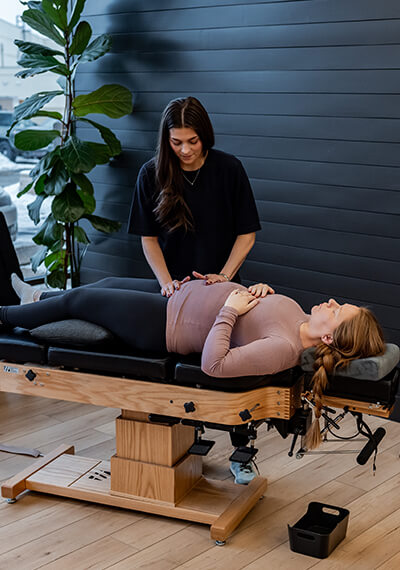
Shoulder Pain & Rotator Cuff problems have a way of showing up in the small moments of a day in Boulder, CO: reaching into the back seat, zipping up a jacket before a hike on the Boulder Creek Path, or pulling a paddleboard off the roof rack. Suddenly a joint you never thought about is running the show.
Shoulders are the most mobile joint in the body, which is exactly why they’re so easy to irritate and so slow to calm down on their own. At MŪV we spend time figuring out which tissue is actually inflamed, why it got that way, and what it will take to get you reaching overhead again without wincing.
What is usually going on
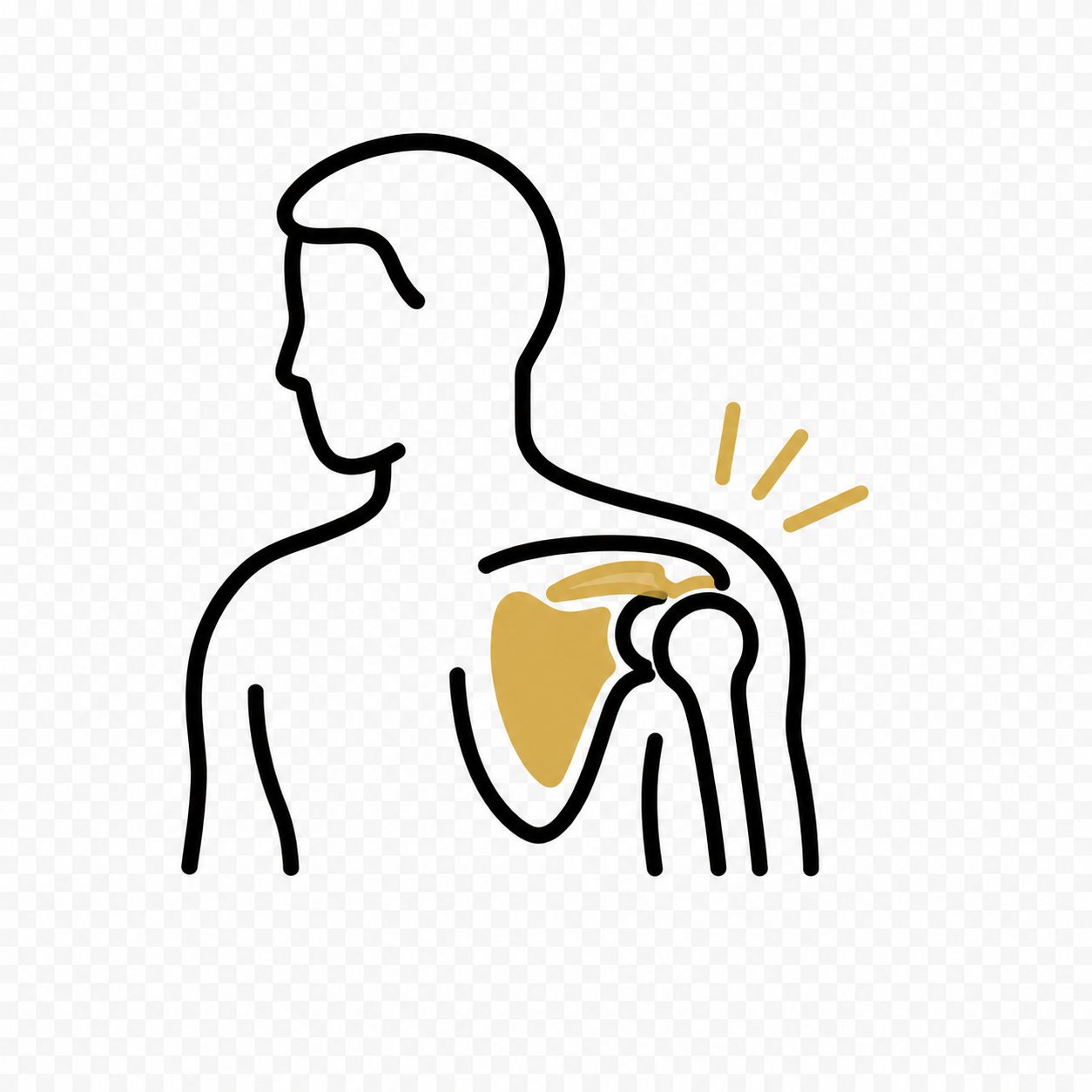
The shoulder is a shallow ball-and-socket joint held together almost entirely by soft tissue. The rotator cuff is a group of four small muscles and tendons that wrap around the top of the arm bone and keep it centered in the socket every time you lift, reach, or throw. It’s a small, hardworking system, and it doesn’t take much to overload it.
When the cuff tendons get irritated, that’s tendinitis. When they get pinched between bones during overhead motion, that’s impingement. When the joint capsule itself tightens up and motion slowly disappears, that’s frozen shoulder. And when the tissue around the joint gets inflamed from repetitive friction, that’s bursitis. These aren’t separate problems so much as different stages of the same story: a joint that’s been asked to do more than its support system can currently handle.
What it feels like
- Pain lifting or reaching overhead. Getting a dish down from a high shelf or reaching to put on a jacket brings on a sharp catch or a deep ache.
- A pinch partway through the motion. Many people feel fine at the bottom and top of a reach but hit a painful arc somewhere in between.
- Weakness when lifting. The arm feels less reliable, especially carrying something away from the body or lifting overhead.
- Trouble sleeping on the affected side. Rolling onto the shoulder at night wakes people up, and finding a comfortable position gets harder over time.
- Stiffness that limits reach. Reaching behind your back to grab a wallet, tuck in a shirt, or fasten a bra becomes noticeably harder.
- A dull ache that lingers after activity. Even gentle use, like carrying groceries or typing at a desk, can leave the shoulder sore for hours afterward.
What’s actually causing it
Overhead sports and activities popular around Boulder, climbing, skiing, paddling, throwing a ball with the kids, ask a lot of the shoulder and often expose weakness in the muscles that are supposed to stabilize it. Years at a desk contribute too. Rounded shoulders and a forward head posture change the angle of the shoulder blade, which narrows the space the rotator cuff tendons have to glide through and sets the stage for impingement.
The neck is part of this picture as well. Nerves that control shoulder muscles exit from the cervical spine, and irritation or tightness there can change how well those muscles fire, leaving the joint less protected. We see the shoulder and the neck as connected structures, not separate problems, which is why we usually check both. Old injuries that never fully rehabbed, a fall, a sports injury, a strain that “got better” without ever getting stronger, also leave the joint more vulnerable to flaring up again under load.
Why it keeps coming back
Rest often takes the edge off the pain, but rest alone doesn’t rebuild the strength and control the shoulder needs to handle daily reaching and lifting. Anti-inflammatories can quiet symptoms for a while, but they don’t change the mechanics that overloaded the tendon in the first place. If the shoulder blade still doesn’t move well, if the neck is still stiff, if the small stabilizing muscles are still underused, the same pattern tends to resurface the moment you go back to normal activity.
That’s the piece we focus on: not just settling down the angry tissue, but figuring out why it got angry and rebuilding the support so the improvement holds up when you’re back on the trail or back at your desk.
 How We Treat Shoulder Pain
Here’s what we often reach for with shoulder pain:
-
SoftWave® restoration protocol. Our SoftWave-centered shoulder program — acoustic wave therapy that drives circulation and repair straight into the cuff tissue that’s hurting
-
Chiropractic adjustments. Gentle, targeted work on the neck and upper back so the shoulder blade and cuff stop compensating for a stiff foundation
-
Soft-tissue work. Hands-on release for the tight chest and cuff muscles that pull the joint out of its easiest path
-
Corrective exercise. A step-by-step plan that rebuilds the movement habits driving the pain so it stops coming back
What to expect at your first visit
We start with a conversation about how the shoulder started bothering you, what makes it worse, and what you’re hoping to get back to, whether that’s a ski season, a swim workout, or just sleeping through the night. From there we run a hands-on exam to see how the shoulder, shoulder blade, and neck are moving together, and we bring in imaging when it will actually change the plan rather than as a routine step.
From there we build a plan specific to what we find, not a generic protocol. If you’re new to MŪV, our first visit guide walks through exactly what that appointment looks like, and our $99 New Patient Special is a low-pressure way to get a real look at what’s going on before committing to anything more.
What you can do at home
- Keep the shoulder moving within a comfortable range. Total rest tends to stiffen the joint further; gentle, pain-free movement generally helps more than freezing it in place.
- Adjust your sleep position. A pillow tucked under the arm or a small wedge behind the back can take pressure off an irritated shoulder at night.
- Set up your workstation thoughtfully. A monitor at eye level and elbows supported can reduce the rounded-shoulder posture that narrows space around the rotator cuff.
- Progress overhead activity gradually. Whether it’s climbing, swimming, or throwing, building volume slowly gives the tendon time to adapt instead of getting overwhelmed.
- Stay hydrated and prioritize sleep. Tissue repair happens during rest, and both play a real supporting role in how quickly inflammation settles.
Frequently Asked Questions about Shoulder Pain & Rotator Cuff in Boulder
Many people find real relief from a combined approach that addresses the shoulder joint, the shoulder blade, and the neck together, since all three influence how the cuff functions. It’s not a one-size-fits-all answer, which is why we start with an exam rather than assuming.
Often, yes, within a pain-free range, but it depends on what’s driving the pain. Pushing through sharp or worsening pain usually isn’t a good idea, so it’s worth getting it checked before you assume more activity is the answer.
It varies by how long the shoulder has been bothering you and what’s driving it, but many people notice a shift within the first few weeks of consistent care. Long-standing or frozen shoulder cases tend to take longer to loosen up.
No referral is needed to schedule with us. We may recommend imaging if your exam suggests it would change the plan, but plenty of shoulder issues can be evaluated and addressed without it.
A significant, progressive loss of motion is worth getting evaluated sooner rather than later, since frozen shoulder tends to respond best when addressed early. We’ll also flag if anything in your exam points toward needing a medical workup alongside conservative care.
New patients can come in through the $99 New Patient Special, which includes the consultation and exam we use to figure out which part of the shoulder is actually inflamed before you decide on next steps.
You don’t have to keep adjusting your life around a shoulder that won’t cooperate. Book an appointment and let’s figure out what’s actually going on, or start with the $99 New Patient Special if you’re not sure yet.

 See all on Google