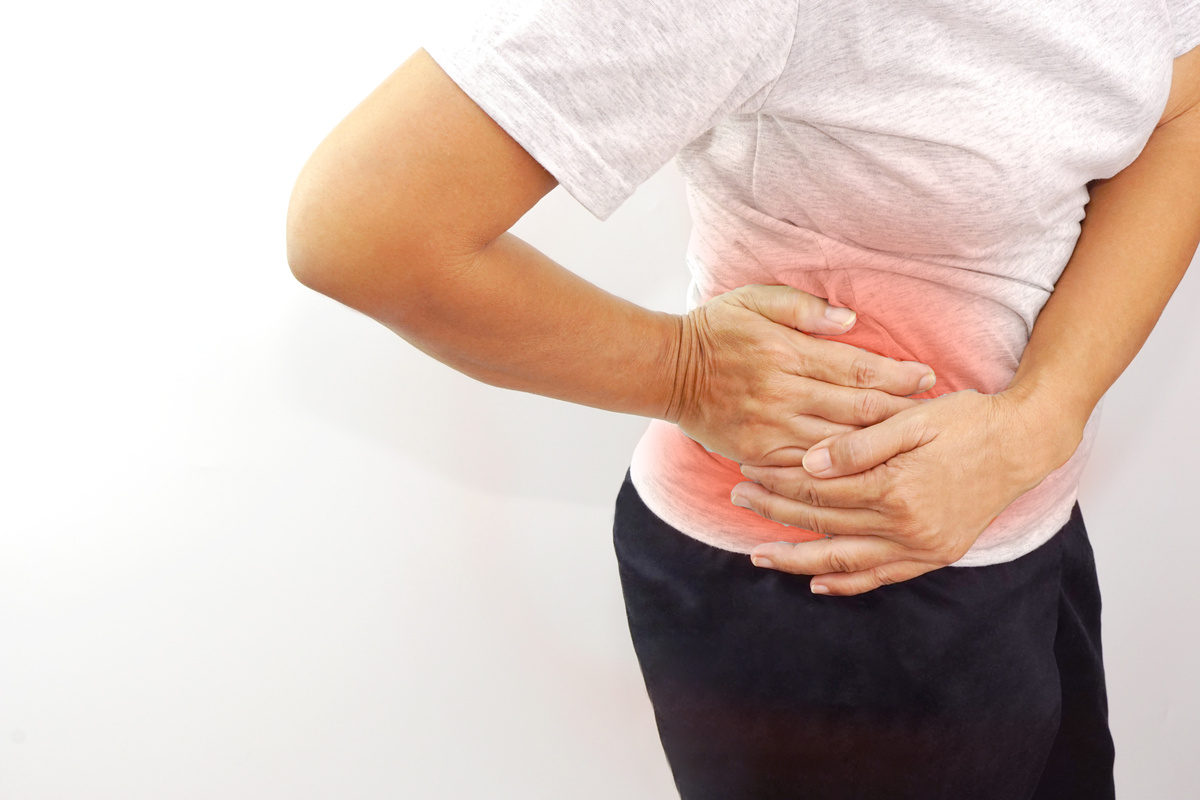
A hip that only acts up once you’re on your feet almost always comes down to a handful of mechanical culprits: an overworked muscle or tendon, an irritated bursa, a stiff IT band, or early arthritis putting extra strain on the joint with every step. Hip pain when walking is rarely dangerous on its own, just uncomfortable, and it usually responds well to the right combination of rest, movement, and hands-on care.
Here’s what’s most likely behind it, and when it’s worth having someone actually look at what’s going on.
Common Causes of Hip Pain When Walking
A few conditions show up again and again in people who tell us their hip only bothers them once they’re on their feet:
1. Hip flexor strain. The muscles that pull your leg forward with every step can get overworked from hiking, running, or just spending a lot of time hunched at a desk between activities. Walking uphill or picking up the pace tends to make it worse.
2. Trochanteric bursitis. The bursa is a small fluid-filled cushion over the bony point of your hip. When it gets irritated, usually from repetitive motion or a change in your walking pattern, it can leave the outer hip tender to the touch and achy with every step.
3. IT band tightness. The iliotibial band runs from your hip down the outside of your thigh to your knee. When it’s tight, it can pull on the hip and create a sharp or nagging ache that shows up mostly during activity, which is common in runners and hikers logging miles on Boulder’s trails.
4. Osteoarthritis. As cartilage in the hip joint wears down over time, walking, especially the first few steps after sitting or lying down, can feel stiff and achy. It tends to build gradually rather than show up overnight.
5. SI joint dysfunction. The sacroiliac joint connects your spine to your pelvis. When it’s not moving the way it should, the pain often feels like it’s in the hip or buttock, even though the actual problem is a joint over toward your lower back.
6. Referred pain from the low back. Sometimes what feels like hip pain is actually your low back or sciatic nerve sending pain signals down that way. If the pain also travels down your leg, that’s usually the giveaway, and we’ve written a full guide on sciatica stretches you can do at home if that sounds like what you’re dealing with.
Where the Pain Shows Up Can Be a Clue
Location matters more than people expect. Pain at the front of the hip or groin often points to a hip flexor or the joint itself. Pain on the outer hip is the classic sign of bursitis or IT band tightness. Pain toward the back of the hip or buttock, especially if it eases up with rest and flares with walking, points more toward the SI joint, piriformis, or a nerve issue than the hip joint itself. None of this replaces an actual exam, but it’s a useful starting point for describing what you’re feeling.
What Actually Helps
For most mechanical causes, a combination of things tends to work better than any single fix:
Backing off the aggravating activity, not stopping entirely. Total rest can actually stiffen things up. Scaling back mileage or intensity for a bit, while staying generally active, usually beats sitting it out completely.
Targeted stretching and mobility work. Loosening a tight hip flexor or IT band takes pressure off the structures around it. What helps depends on which one is actually the problem, which is where getting an actual assessment pays off over guessing from a stretching video.
Looking at your gait and footwear. A change in your walking pattern, worn-out shoes, or favoring one side after an old injury can quietly overload the hip over time.
Hands-on care. Chiropractic adjustment and soft-tissue work can help restore normal movement in the hip, pelvis, and low back, which takes the extra strain off whichever structure has been compensating.
Ice or heat and OTC options for flare-ups. These can take the edge off in the short term, but they’re managing the symptom, not the cause, so they work best alongside the steps above, not instead of them.
When to See a Doctor Instead of Waiting It Out
Most hip pain from walking is mechanical and manageable, but a few signs mean it’s worth getting checked out right away rather than trying to work through it: sudden, severe pain after a fall or injury, being unable to put weight on the leg, visible swelling or deformity, fever alongside the pain, or pain that wakes you up at night and keeps getting worse. Those aren’t things we’d tell you to just stretch through.
How MŪV Approaches Hip Pain
At MŪV, we start by figuring out which structure is actually driving your pain, not just treating “the hip” as one generic problem. That means looking at how your hip, pelvis, and low back are moving together, since hip pain is rarely caused by the hip in complete isolation. From there, care might combine chiropractic adjustments with soft-tissue work and a plan for the activities you actually want to get back to, whether that’s your regular trail run or just walking around Boulder without wincing on every step. You can read more about how we approach hip pain treatment specifically, including what a first visit looks like.
Frequently Asked Questions
1. Is it okay to keep walking with hip pain?
For most mechanical causes, yes, light to moderate walking is usually fine and can even help. The exception is if you’re limping to avoid the pain, since that can create new problems elsewhere. If walking is consistently making things worse rather than better, that’s a sign to get it looked at rather than push through.
2. How do I stop my hip from hurting when I walk?
It depends on what’s actually causing it. Backing off high-impact activity, stretching the right area (not just whatever feels tight), correcting your gait, and hands-on care for the joint and surrounding muscles all play a role. Guessing at stretches without knowing the actual cause is why a lot of home fixes don’t stick.
3. What does hip bursitis feel like when walking?
Usually an ache or tenderness on the outer point of the hip that gets worse with activity and can be sore to the touch or when lying on that side. It’s one of the more common causes of hip pain that shows up specifically with walking or stairs.
4. Can a chiropractor help with hip pain when walking?
Yes, for the mechanical causes that make up most cases: hip flexor strain, bursitis, IT band tightness, SI joint dysfunction, and referred pain from the low back. Chiropractic care won’t replace surgery for something like a fracture or advanced joint damage, which is exactly why an actual assessment matters before starting any plan.
5. When should I see a doctor for hip pain when walking?
If the pain started suddenly after a fall or injury, if you can’t bear weight on the leg, if there’s visible swelling or deformity, or if it comes with fever or pain that wakes you up at night, get it evaluated right away rather than waiting.
Hip pain that only shows up when you’re on your feet doesn’t mean you have to stay off them. If you’re ready to find out what’s actually behind it, book an appointment and mention the $99 new patient special when you call.
 See all on Google