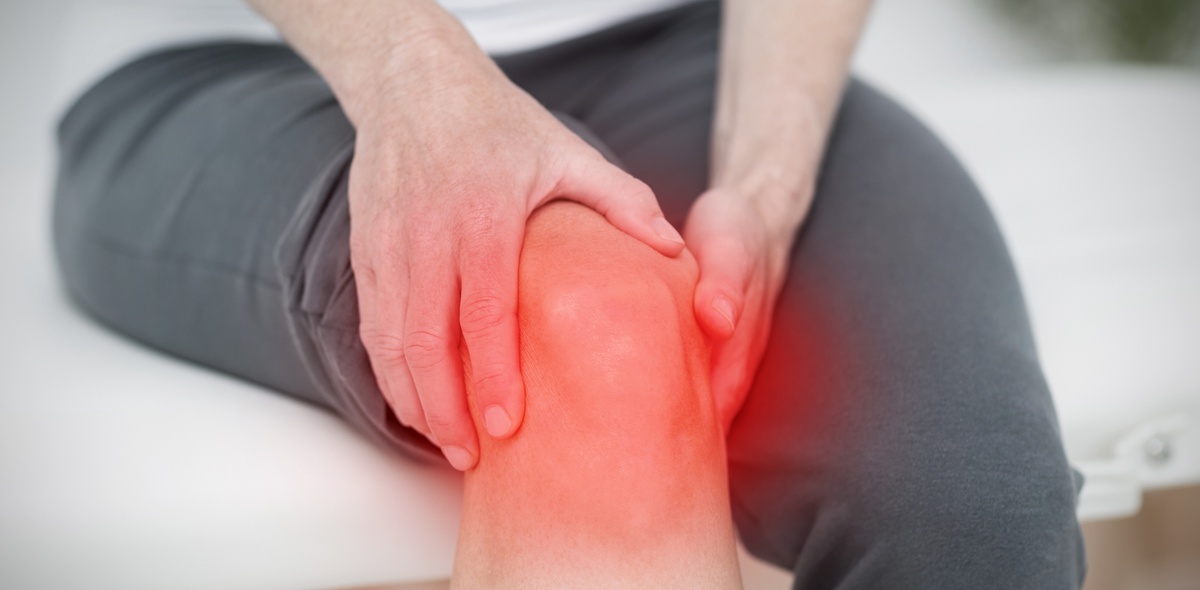
Where your knee hurts can tell you a lot about what’s causing the pain. Pain at the front of the kneecap is often runner’s knee, while pain just below the kneecap usually points to the patellar tendon. If it hurts on the outer side, the IT band is a common cause. Pain on the inner side is often a sprained MCL, a meniscus tear, or an irritated bursa, and pain behind the knee can mean a Baker’s cyst or a strained muscle.
The chart below matches each spot to its likely causes, the signs that tell them apart, and when you should get it checked.
Knee Pain Location Chart
Use this as a starting point for describing what you feel. It can’t replace an exam, and several of these conditions overlap.
| Where it hurts | Common causes | Typical clues | When to get it checked |
| Front of the knee / around the kneecap | Patellofemoral pain syndrome (runner’s knee), knee arthritis, bursitis over the kneecap | Dull ache around or behind the kneecap. Worse on stairs, squatting, running, or after sitting with knees bent. Bursitis: warm, puffy swelling on top of the kneecap. | If it doesn’t ease with rest or keeps you from your usual activity |
| Inner knee (medial side) | MCL sprain, meniscus tear, pes anserine bursitis | MCL: pain after a sideways hit or quick cut. Meniscus: pop, swelling, catching or locking. Bursitis: pain 2 to 3 inches below the joint. | Right away if the knee gives way, won’t fully straighten, or swells a lot after an injury |
| Outer knee (lateral side) | IT band syndrome, LCL sprain, meniscus tear | IT band: aching or burning that builds during runs or rides and eases with rest. LCL: pain after a blow to the inside of the knee. | If pain keeps returning with activity, or after any injury with instability |
| Back of the knee | Baker’s cyst, hamstring or calf strain, meniscus tear, PCL injury, arthritis | Fullness or swelling behind the knee, tightness when bending fully, pain after a sprint or awkward step | Right away if you have pain and swelling behind the knee, especially with calf pain or swelling |
| Below the kneecap | Patellar tendinitis (jumper’s knee), Osgood-Schlatter disease in kids | Pain between the kneecap and shinbone that starts with jumping or hard workouts. In a teen, a tender bump just below the kneecap. | If it’s getting worse, or pain starts with everyday tasks like stairs |
| Above the kneecap | Quadriceps tendinitis, quadriceps tendon tear | Ache at the top of the kneecap with running or jumping. A tear causes a pop and trouble straightening the leg. | Right away if you can’t straighten your knee after a pop or fall |
Not sure which row fits you? An exam at MŪV Chiropractic in Boulder can sort that out.
Front of the Knee (Around the Kneecap)
A common cause of front-of-knee pain is patellofemoral pain syndrome, often called runner’s knee. The American Academy of Orthopaedic Surgeons (AAOS) describes it as a dull, aching pain in the front of the knee that tends to come on gradually. It usually gets worse with stairs, running, jumping, squatting, or sitting for a long time with your knees bent. It’s common in athletes, especially women and young adults.
Swelling right on top of the kneecap is often bursitis. Knee bursitis most often happens over the kneecap or on the inner side of the knee below the joint, and the area may feel warm, tender, and swollen. Kneeling on hard surfaces is a common trigger.
Knee arthritis can also cause pain at the front of the knee, especially when it affects the joint behind the kneecap. Arthritis pain and swelling are often worse in the morning or after sitting, and the knee may creak, click, or grind.
Inner Knee (Medial Side)
Three culprits come up most often on the inner side of the knee.
- MCL sprain. The medial collateral ligament runs along the inside of the knee. It’s usually injured by a force that pushes the knee sideways. Expect pain along the side of the knee, swelling, and sometimes a feeling that the knee might give out.
- Meniscus tear. The meniscus is a wedge-shaped cartilage cushion between the thighbone and shinbone. Common signs include a popping feeling, swelling or stiffness, pain when twisting, trouble fully straightening the knee, and locking or giving way. In older adults, a tear can happen with very little force.
- Pes anserine bursitis. This one sits a bit lower. The pain shows up on the inner side of the knee about 2 to 3 inches below the joint, and it’s common in runners, swimmers, cyclists, and people with knee osteoarthritis. It often hurts more on stairs.
Outer Knee (Lateral Side)
If the outside of your knee aches or burns during a run or a long ride, IT band syndrome is the usual suspect. It mostly affects runners, cyclists, and other athletes who bend the knee over and over. Pain is typically tied to activity and eases with rest. Sudden jumps in training, uneven surfaces, and weak hip muscles can all play a part.
An LCL sprain (usually from a blow to the inner side of the knee) or a meniscus tear after a twist can also cause outer knee pain.
Back of the Knee
Pain behind the knee has a longer list of possible causes, including arthritis, Baker’s cysts, PCL injuries, tendinitis, meniscus tears, and hamstring or calf strains.
A Baker’s cyst is a fluid-filled swelling behind the knee. It’s usually linked to arthritis or a cartilage tear, and it can make the knee feel stiff and hard to bend fully.
One caution: get care right away for pain and swelling behind the knee, because in rare cases it’s a blood clot in a leg vein.
Below the Kneecap
Pain in the tendon just below the kneecap is often patellar tendinitis, or jumper’s knee. The pain is most often between the kneecap and where the tendon attaches to the shinbone. It often starts with jumping or hard workouts, then creeps into everyday tasks like stairs.
In kids and young teens, a sore, hard bump just below the kneecap is a classic sign of Osgood-Schlatter disease. It shows up during growth spurts and usually settles once growth finishes, around age 14 for girls and 16 for boys.
Above the Kneecap
An ache at the top of the kneecap often comes from the quadriceps tendon, which connects the big thigh muscle to the kneecap. Quadriceps tendinitis is most common in people who run and play jumping sports.
A full quadriceps tendon tear is a different situation. It usually comes with a pop, an inability to straighten the knee, and sometimes a dent just above the kneecap. A complete tear almost always requires surgery, so get it checked promptly.
For Runners and Cyclists
If you run or ride, three spots deserve extra attention, since each is common in runners and cyclists: the front of the knee (runner’s knee), the outer knee (IT band syndrome), and the inner knee just below the joint (pes anserine bursitis). A change in how you walk due to hip or foot pain can also cause knee pain, which is why looking beyond the knee matters.
What Helps Most Knee Pain
For overuse pain without a clear injury, the standard advice for runner’s knee, IT band syndrome, and pes anserine bursitis overlaps a lot:
- Ease up on what hurts. Cut distance, hills, or intensity for a while rather than stopping everything.
- Use ice and rest after activity when the knee is sore.
- Strengthen the hips and thighs. Quadriceps and hip strengthening are especially helpful for runner’s knee.
- Look beyond the knee. Hip strength, foot mechanics, footwear, and training surface can all load the knee differently.
When to See a Doctor
Call your doctor if you:
- Can’t bear weight on the knee, or it feels unstable or gives out
- Have marked swelling
- Can’t fully straighten or bend the knee
- See an obvious deformity in the leg or knee
- Have a fever along with redness, pain, and swelling in the knee
- Have severe knee pain after an injury
- Have pain and swelling behind the knee
How MŪV Approaches Knee Pain
At MŪV, we start by finding which structure is actually driving your pain. The knee depends on the hip above it and the ankle below it, so we look at how the whole leg moves together. Your first visit includes a one-on-one consultation, an exam, and digital X-rays when they’re clinically needed.
For ongoing or recurring knee pain, our Knee Restoration Program is a non-surgical plan that can combine SoftWave® therapy, knee decompression, red and infrared light therapy, nutrition guidance, and chiropractic adjustments through the hips, ankles, and lower back. The goal is getting you back to a trail run, a long ride, or an easy walk around Boulder. Read more about how we handle knee pain.
$99 New Patient Special. Book an appointment online.
Frequently Asked Questions
1. How do I know if my knee pain is a meniscus tear?
Common signs include a pop at the time of injury, swelling or stiffness over the next two to three days, pain when twisting, trouble fully straightening the knee, and a catching or locking feeling. An exam, and sometimes imaging, is needed to confirm it.
2. Why does the outside of my knee hurt when I run?
The most common reason is IT band syndrome, which causes aching or burning on the outer knee that builds during runs and eases with rest. Sudden increases in mileage, uneven surfaces, and weak hip muscles can all contribute.
3. When is knee pain serious?
Get seen promptly if you can’t put weight on the leg, the knee gives out, it swells a lot, you can’t fully straighten or bend it, or you have a fever with a red, swollen knee. Pain and swelling behind the knee needs care right away.
 See all on Google